Root canal retreatment
A tooth that has had a root canal can usually last a lifetime. When one does not heal, or starts to hurt months or years later, retreatment gives it a second chance.
Why a treated tooth can hurt again
- A curved, narrow or extra canal was not found or fully cleaned the first time.
- The crown or filling was delayed or did not seal, letting saliva and bacteria back in.
- New decay, a cracked filling or a loose crown exposed the tooth to infection.
- A crack developed in the root.
What retreatment involves
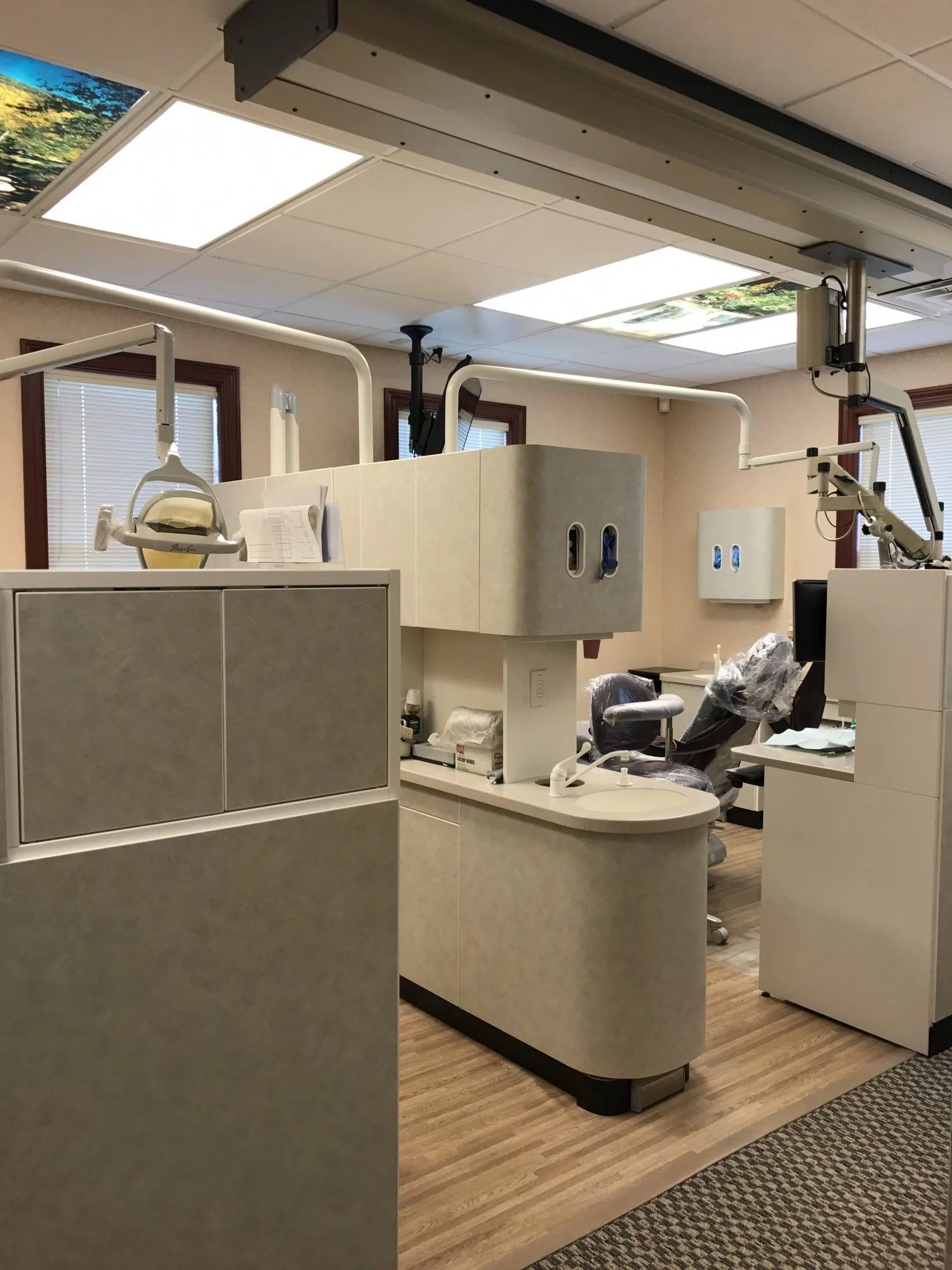
Dr. El-Refai reopens the tooth, removes the old filling material, and cleans the canals again under the microscope, looking closely for anything missed the first time. The canals are then refilled and sealed, and your dentist places a new crown or filling.
When surgery is the better option
If a post or crown makes the canals hard to reach, or the problem sits at the very tip of the root, an apicoectomy may be recommended instead.
Questions patients ask
Is retreatment better than pulling the tooth?
Keeping your own tooth is usually the better long-term choice when it can be saved. Dr. El-Refai will explain the options, including an implant or bridge, and the likely outcome of each.
How can you tell why the first treatment failed?
A 3D cone beam scan often shows what flat x-rays cannot, such as a missed canal, a crack, or where an infection sits. That tells us whether retreatment, surgery or another option makes most sense.
Related
Relief starts with a call
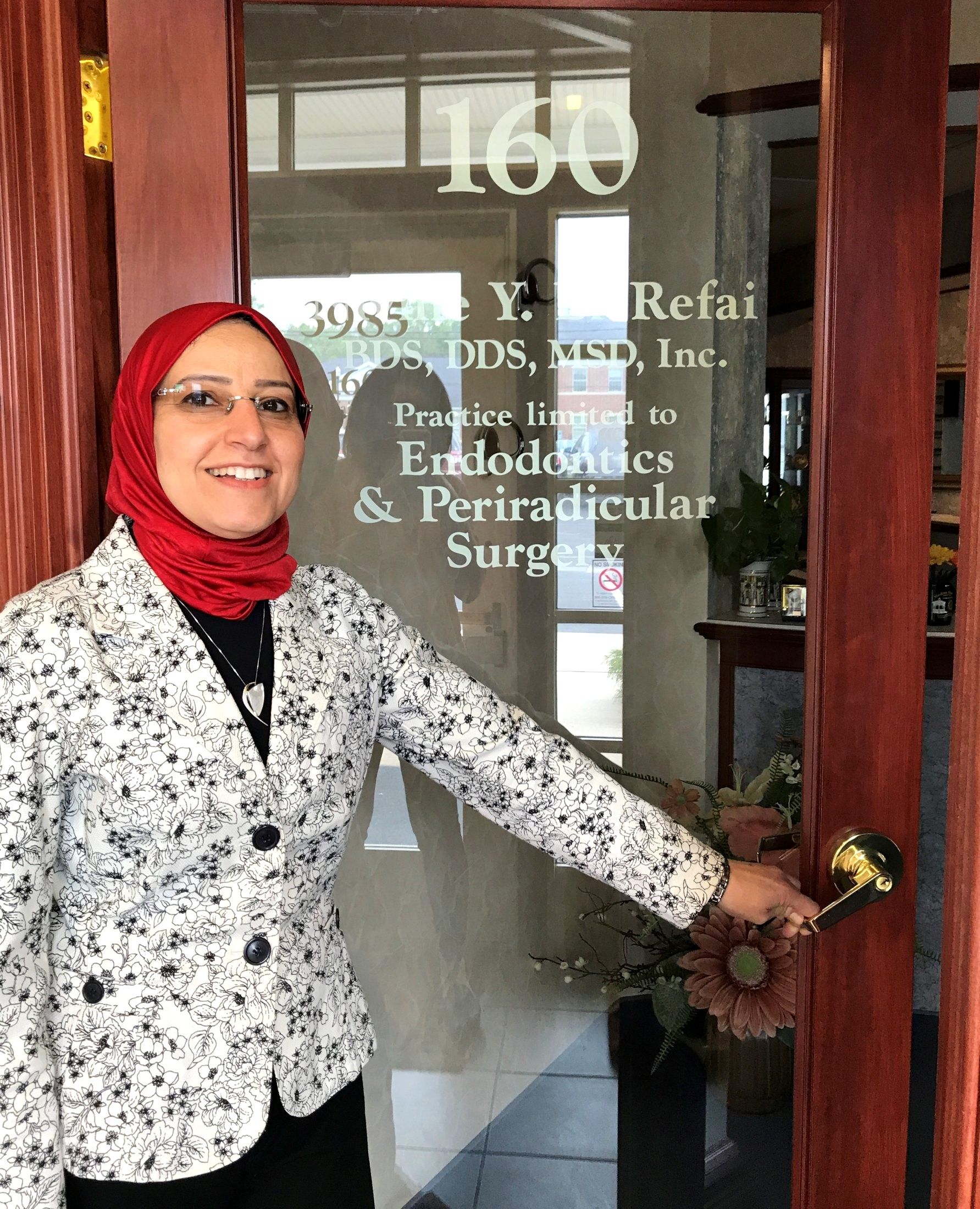
Call or text, and we will find the soonest time that works. If you are in pain, tell us when you call, and we will do everything we can to see you the same day.
3985 Medina Road, Suite 160, Medina. Mon, Tue, Thu, 7 am to 4 pm.