Root canal treatment
A root canal removes inflamed or infected pulp from inside a tooth so you can keep the tooth. It is done under local anesthetic, and most people are back to their normal day afterward.
When a root canal is needed
At the center of every tooth is the pulp, a soft tissue with nerves and blood vessels. Deep decay, a crack, repeated dental work, or an injury can let bacteria reach it. Once the pulp is inflamed or infected, it cannot heal on its own.
Signs include:
- lingering sensitivity to hot or cold
- pain when you bite or touch the tooth
- a throbbing ache, sometimes worse at night
- swelling or tenderness in the gum nearby
- a tooth that has darkened after an injury
Sometimes there are no symptoms at all, and the problem shows up on an x-ray.
What happens at your visit
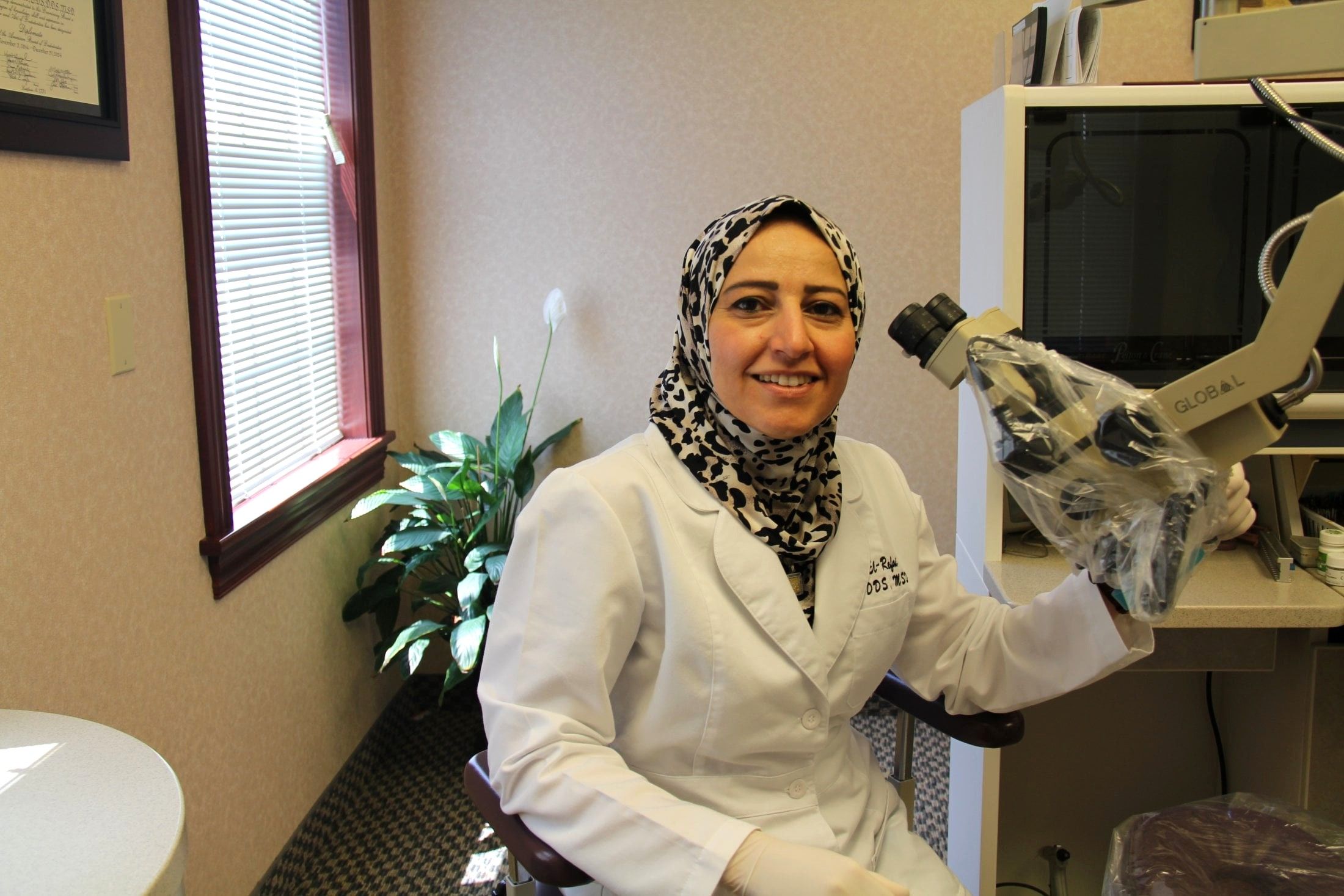
- Diagnosis. Dr. El-Refai examines the tooth and takes images, including a 3D cone beam scan when it adds useful detail. She walks you through what she sees and your options, including whether the tooth can be saved.
- Numbing. The tooth is numbed with local anesthetic.
- Cleaning. Working under a surgical microscope, she removes the damaged pulp and cleans and shapes each canal.
- Sealing. The canals are filled and sealed, and the opening is closed with a filling.
- Back to your dentist. Your general dentist restores the tooth with a crown or filling.
How well it works
Root canal treatment saves the tooth in the large majority of cases. If a tooth is not a good candidate, you will hear that at your consultation, along with the alternatives, before any treatment begins.
Questions patients ask
Will a root canal hurt?
The tooth is fully numbed first. Most patients feel pressure rather than pain, and the ache that brought them in usually eases once the inflamed pulp is removed. Nitrous oxide is available if it helps you relax.
How long does it take?
Many root canals are finished in one visit. Some teeth need two, for example when an infection needs medication between visits. Dr. El-Refai will tell you at your consultation.
Can I drive myself home?
Yes, after local anesthetic alone you can drive yourself and return to your normal routine. If you choose sedation, plan on someone driving you.
What happens after the root canal?
Your general dentist places the permanent crown or filling that protects the tooth. We send them a report and your images so they have everything they need.
Related
Relief starts with a call
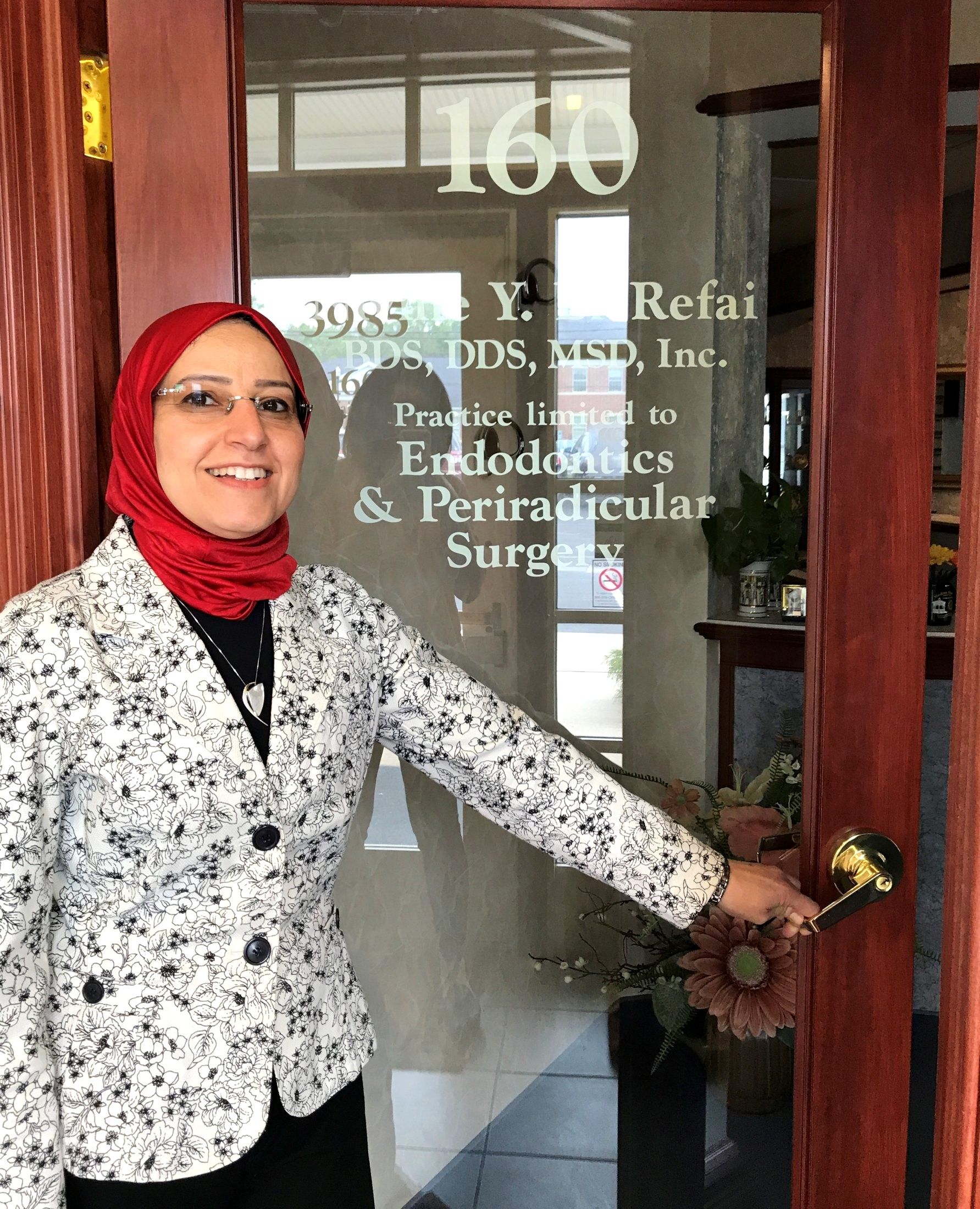
Call or text, and we will find the soonest time that works. If you are in pain, tell us when you call, and we will do everything we can to see you the same day.
3985 Medina Road, Suite 160, Medina. Mon, Tue, Thu, 7 am to 4 pm.